Most conversations about temperature-controlled storage start and end with the thermometer. The goods are fragile, people say, keep them cold and they’ll be fine. Anyone who has spent time in a cold storage warehouse learns the hard way that temperature alone does not protect product. Humidity drives spoilage, corrosion, clumping, label failure, wood warping, and ice formation. Getting it right requires more than setting a setpoint, it takes calibrated air handling, vigilant monitoring, and operational discipline from dock to rack.
This guide unpacks humidity in plain terms and offers the practical detail you wish you had before your first load arrives. Whether you manage a refrigerated storage room, source “cold storage near me” for seasonal overflow, or operate a temperature-controlled storage facility in a tough climate like San Antonio, the physics and decisions are the same. The numbers matter, but what you do day to day matters more.
What humidity actually is and why it wrecks product
Two numbers describe water in air. Relative humidity, or RH, is the percentage of moisture in the air compared with the maximum it can hold at that temperature. Dew point is the temperature where that air becomes saturated and water condenses. When a product, wall, or coil drops below the room’s dew point, you get condensation. If the surface is below freezing, that condensation becomes frost or ice.
The same RH can be benign or dangerous depending on temperature. Air at 32°F with 80 percent RH contains far less absolute moisture than air at 70°F with 50 percent RH. That nuance shows up everywhere. Chocolate can bloom from a small swing in dew point on a warm day. Fresh produce wilts if RH falls too low, yet deli meats slime out in a wet room. Pharmaceutical excipients absorb moisture and clump if RH drifts just a few points above spec.
If you only remember one concept, remember this: control dew point, not just temperature. Dew point tracks the water load in the room and predicts where condensation will form.
Typical ranges that actually protect products
Rules of thumb help you target the right zone. The best targets depend on product class and handling time. These are defensible working ranges that operators use in real facilities:
- Produce rooms: 34 to 38°F, 85 to 95 percent RH for leafy greens and high-respiration items. Lower RH for onions, garlic, and winter squash, which prefer 60 to 70 percent. In mixed rooms, target around 85 percent and segment sensitive items to buffered zones or covered pallets. Meat and seafood: 28 to 34°F, 80 to 90 percent RH for fresh cuts. High RH prevents evaporative loss and weight shrink, but sanitation and air movement must be good to avoid surface slime. Dairy: 33 to 38°F, 75 to 85 percent RH. Cheese caves are special cases with higher RH and controlled airflow to manage rind development. Chocolate and confections: 55 to 65°F, 45 to 55 percent RH. Keep dew point below product surface temperature to prevent sugar or fat bloom. Pharmaceuticals and nutraceuticals: 59 to 77°F, 35 to 55 percent RH in controlled ambient. Some actives and gel caps require 20 to 40 percent RH. For stability chambers, follow the protocol ±2 percent RH and ±0.5°C. Frozen storage: -10 to 0°F, RH readings are deceptive because cold air holds little water. Focus on dew point control at the dock and doorways to prevent snow and frost.
If your operation lives in a climate with steamy summers and wide temperature swings, such as San Antonio, the outside air dew point can sit between 70 and 76°F in peak months. A temperature-controlled storage facility in San Antonio TX needs to treat that latent load with serious dehumidification whenever doors open. Without it, you make ice sculptures out of door seals, rails, and floors.
Where humidity enters the room
Most moisture does not appear by magic. It arrives through specific paths:

Infiltration through doors and docks. Every time a door opens, outside air enters. A 9 by 10 foot door can pass hundreds of cubic feet of humid air in a minute, more if there is a pressure difference. Warm air carries far more water than cold, and when that air meets cold surfaces inside, it drops its load of moisture immediately as condensation or ice.
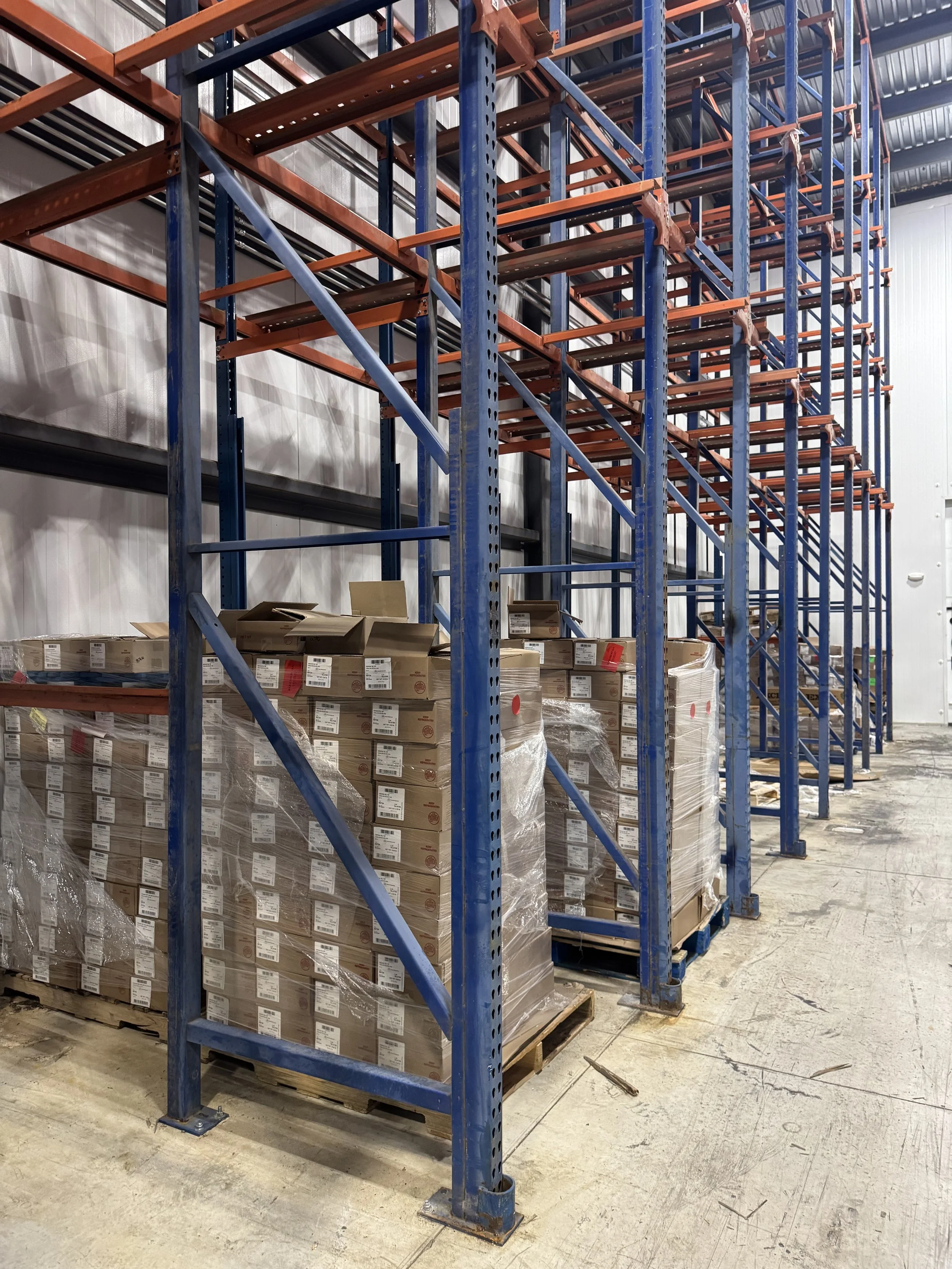
Leaky envelopes. Poorly sealed wall penetrations, gaps at panel joints, and damaged vapor barriers let moisture diffuse into the room. You might not notice until you see staining, bulging panels, or frost lines inside the insulation.
Wet product and packaging. Produce sweats. Pallets come in with surface moisture. Cardboard wicks water from humid docks. A load that arrives at 80°F and 60 percent RH carries a high dew point. If you bring it straight into 34°F air, you will get condensation on both product and equipment.
Defrost cycles and coil performance. Evaporators condense and freeze moisture from the air, then release it during defrost. Poor defrost timing, inadequate drainage, or underperforming coils can re-evaporate water back into the room.
Sanitation and washdowns. Hot water in a cold room is a recipe for fog. That fog raises dew point quickly. If schedules force washdowns inside the cold space, plan drying time and ramp the system to capture the latent load.
The engineering behind control
Keeping humidity in line combines three levers: limit the moisture load, dry the air, and avoid cold surfaces below the room dew point. In practice, facilities use a layered approach.
Air handling with purpose. Evaporator coils do two things, they remove sensible heat and they condense moisture. Lower coil temperatures pull more moisture out of the air, but reduce efficiency and can freeze the coil too quickly, forcing longer defrosts. Many refrigerated storage rooms run higher coil temperatures than you might expect and use staged fans for mild, even airflow. This avoids “cold corners” where condensation forms and manages noise and energy. In tight bands like 55°F and 45 to 50 percent RH for confections or electronics, add a dedicated dehumidifier rather than making the evaporators do all the work.
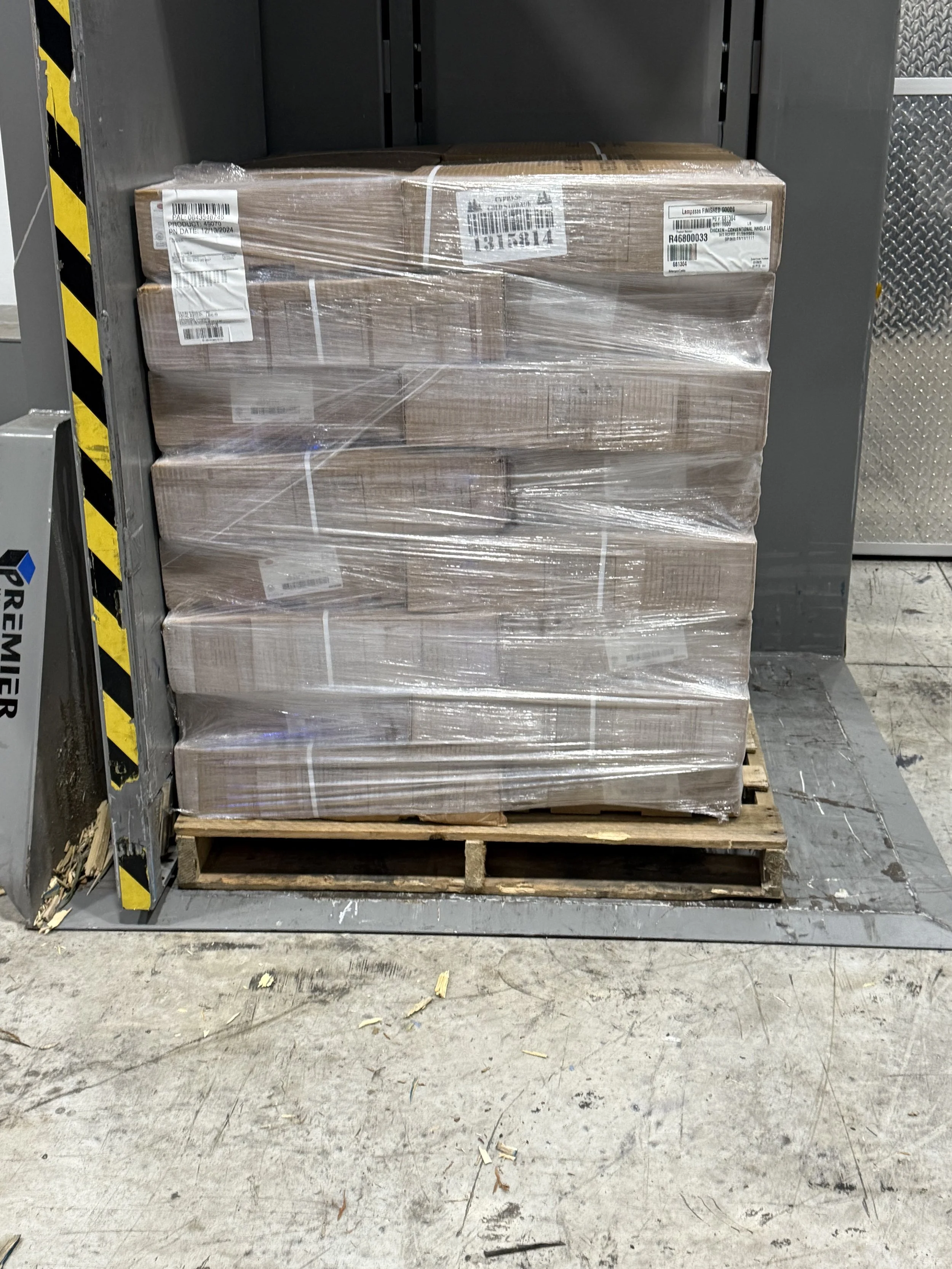
Desiccant dehumidification. For rooms that need low RH, or when you battle humid seasons, a desiccant wheel earns its keep. These systems use a material that absorbs moisture from the airstream, then a regeneration cycle dries the wheel. They handle latent loads that refrigeration alone cannot. Expect higher energy use and plan for purge air and heat recovery if you want efficiency.
Make-up air and pressure control. Negative pressure pulls in humid air through cracks. Many cold storage warehouses maintain slight positive pressure with dry, conditioned make-up air so infiltration moves out rather than in. The trick is to deliver that air with very low dew point. A dedicated outdoor air unit that dries air to a dew point below the coldest surface in the room prevents fog at the vents.
Door technologies that actually work. Rapid roll-up doors, well-tuned air curtains, vestibules, and interlocks that prevent both doors from being open at once reduce moisture spikes. Be cautious with air curtains in freezer applications, the velocity and temperature of the stream matter. A poorly set curtain can entrain moist air instead of blocking it.
Heat where you need it, not where you do not. Freezer floors need heat to prevent heave. Warm floors along door thresholds reduce ice. In spaces that target tight RH, small controlled heat sources can lift local surface temperatures above dew point, preventing micro-condensation on pipes and rails. This is more precise and cheaper than drying the entire room an extra 5 percent RH.
Sensors, placement, and the data that matters
You cannot control what you do not measure. The number of facilities running blind on RH would surprise you. A $25 wall sensor near the door tells you little about conditions at the far aisle or mid-height in densely racked zones. Invest in a map of the room.
Sensor selection. Choose RH sensors with a stated accuracy of ±2 percent or better and temperature accuracy of ±0.5°F. Capacitive sensors drift over time. Plan quarterly checks, and swap or recalibrate annually for critical rooms. For pharma, use NIST-traceable probes and keep certificates on file.
Placement strategy. Place sensors at several heights, not just high near the evaporator. Air stratifies, and RH near the loading face behaves differently than the back corners. Keep sensors clear of direct discharge or return streams. Place at least one sensor near doors, one mid-room at product height, and one near known cold surfaces.
Dew point monitoring. Many systems log RH and temperature, then calculate dew point. Watch dew point spikes when doors open or washdowns end. If dew point climbs over the coldest surface temperature in the room, you will see condensation. Automated alerts tied to dew point thresholds lead to fewer quality incidents than RH alerts alone.
Data resolution. One-minute data shows door cycles and defrost effects. Fifteen-minute data hides useful behavior. If your controller cannot log at high resolution, add a portable data logger for a month and learn how your room breathes.
Operating discipline that keeps rooms dry
Controls and hardware set the stage. People keep the performance. Processes that look small on paper prevent thousands in rework and shrink.
Staging and tempering. In humid regions, never take a warm, wet pallet directly into a cold room unless your room is designed to handle that spike. Create a staging area at an intermediate temperature with aggressive dehumidification. Let the pallet’s surface temperature fall below the staging dew point before moving it into colder storage. For example, from a 90°F dock, move to a 65°F staging room dried to a dew point under 45°F, then into a 34°F cooler. That 30 to 60 minute step prevents the worst of the sweat.
Door discipline. Short, planned openings beat frequent quick peeks. Train crews to consolidate moves and use pre-positioning. Check that door seals are intact. Replace gaskets proactively, not after they rip. If you run a cold storage warehouse near busy distribution corridors, a guard, a timer, and a light stack do more to reduce infiltration than any sign could.
Airflow and stacking. Leave channels between pallets and walls. Pull product four inches off walls to avoid cold spots where damp air condenses. Do not bury high-moisture items like greens behind dry goods or ship-ready packaging. If your evaporator sweeps along the ceiling, avoid stacking to the roof. A foot of space increases uniformity.
Sanitation timing. End-of-shift washdowns in warm rooms, beginning-of-shift load-ins for cold rooms work better than flipping that order. If you must wash cold spaces, give the room time to dry with fans and bring the dew point down before reopening for product or traffic.
Maintenance details that matter. Clear evaporator drains, check pan heaters, and confirm defrost termination sensors function. A pan that holds water becomes a humidity loop. Look for white frost halos that mark air leaks at panel joints. Tape is not a fix; re-seal the joint.
Case notes from hot, humid climates
Facilities in San Antonio fight an uphill battle in July and August. Outside dew points in the 70s meet busy docks and long-haul trucks that arrive hot. One refrigerated storage operation on the south side pulled in 14 trailers between 11 a.m. and 3 p.m. daily. Ice would build along the freezer vestibule threshold by midweek, even with new gaskets. The fix was not exotic. They installed a small desiccant system dedicated to the dock vestibule, set to drive dew point below 40°F, added a 10-second delay on the interior rapid door so the air curtain came up to speed before the door opened, and shifted receiving to a two-window schedule. Ice vanished, and they saved an hour a day on scraping and safety checks. Energy use rose about 6 percent, offset by the drop in defrost time and labor.
Another temperature-controlled storage facility serving confectioners ran rooms at 60°F and 50 percent RH. Spring storms pushed outside air into the attic plenum through a cable tray penetration. Staff chased “mystery moisture” for weeks. The giveaway was condensation on conduit that only appeared during south winds. A smoke test showed the leak path. Sealing the penetration and adding slight positive pressure from a dried make-up air unit solved it. The final tweak was moving the RH sensor away from a return grille that kept reading low and forcing the controller to overdry the room.
If you are looking for cold storage in San Antonio TX, or searching for a cold storage warehouse near me because summer volume is coming, ask operators how they handle dew point at the dock, not just temperature in the room. Their answers will tell you if your chocolate arrives glossy or your boxes arrive soggy.
Trade-offs you will need to weigh
Perfect humidity control is possible, but every point costs you in energy, equipment wear, or flexibility. The smart move is to set targets based on product risk and handling time, then add control where it pays back.
Tighter RH bands require more energy. Running a desiccant unit to hold 45 percent RH at 60°F costs more than letting the room drift to 55 percent. If the product only sits for two days and is sealed in moisture-barrier packaging, accept the drift and save. If it sits for two weeks, stricter control reduces claims.
Coil temperature versus frost. Colder evaporator coils remove more moisture, but frost builds faster and defrosts run longer. A warmer coil with a supplemental dehumidifier can use less energy and produce steadier RH. That configuration reduces temperature swings during defrost and protects sensitive products.
Air changes drive uniformity but bring moisture. Higher fan speeds and more outside air flatten hot and cold spots, yet they increase infiltration and latent load. Balance the uniformity you need with the moisture you can afford. In hot months, cut outside air to the minimum needed for pressure control and indoor air quality.
Open docks are operationally convenient but thermodynamically expensive. A warehouse that operates like a breezeway will never win the humidity game. The compromise is zone control, short vestibules with serious dehumidification, and strict door interlocks during peak heat.
Packaging, pallets, and the hidden role of materials
Humidity control is not only an HVAC problem. Materials make or break outcomes.
Pallet choice. Wood absorbs and releases moisture. Kiln-dried, heat-treated pallets stabilize better than green wood. Plastic pallets do not absorb moisture and do not swell, but they can sweat and become slick in high dew point conditions. Consider plastic in freezer vestibules where safety matters.
Packaging barriers. Moisture vapor transmission rate, or MVTR, tells you how much water will pass through a film over time. A switch from a high-barrier film to a cheaper option can double the moisture inside a bag within a week at the same RH. If you rely on warehouse RH to compensate for poor barrier films, you will spend heavily on dehumidification.
Labels and adhesives. Standard paper labels fail in high humidity and low temperatures. Cryogenic and freezer-grade adhesives exist for a reason. If your refrigerated storage room runs near saturation at 34°F to protect meat, you will need label materials that can handle it.
Slip sheets and corner boards. Wet corrugate loses strength rapidly. Corner boards stored on a humid dock sag and crush under tension. Simple fixes like dry storage for materials and sealed wrapping lower damage rates more than squeezing another 2 percent off room RH.
Finding the right partner and asking the right questions
If you are evaluating a cold storage warehouse or temperature-controlled storage near me listings, a short interview can separate marketing from mastery. Pros who truly understand humidity control can answer crisply when you ask for specifics.
- What dew point do you hold at the dock during summer peak, and how do you verify it? How many RH and temperature sensors do you use per room, where are they placed, and how often are they calibrated? What is your typical RH range in my product’s room, and what happens during defrost or power transitions? How do you stage warm inbound loads, and how do you prevent condensation on product during receiving? Show me a week of trend data for RH, dew point, and door cycles in the room I will use.
You can add site-specific questions in humid markets. If you are seeking refrigerated storage in San Antonio TX, ask how they manage August afternoons when outside dew point spikes, whether they use desiccant systems, and if vestibules are interlocked so both doors cannot be open simultaneously. A strong operator will take you to the sensors, not just the thermostat.
Designing or upgrading for better control
New builds and retrofits present different constraints. The principles are the same, but the tools vary.
Envelope first. In new construction, spend on the vapor barrier and details. Continuous, well-sealed barriers with minimal penetrations pay back forever. In retrofits, chase and seal every penetration and joint. Infrared scans on humid days reveal hidden leak paths. Correcting cold storage warehouse envelope issues cuts your latent load and saves on equipment size.
Right-size the latent capacity. Engineers sometimes size refrigeration for sensible load and assume latent will take care of itself. It will not. Model door cycles, product moisture load, sanitation routines, and outside air. In hot climates, you may need a dedicated outdoor air unit with a coil arrangement, reheat, or a desiccant wheel. For mixed-use cold storage facilities, plan separate zones with independent humidity control rather than one giant room that fits none well.
Controls that treat dew point as a first-class variable. Many controllers target RH indirectly. Pick a system that can prioritize dew point setpoints, stage equipment to hit it, and limit over-drying. Add logic that ramps fan speed and coil temperature together rather than in isolation.
Plan for maintenance access. Desiccant wheels, drain pans, and heaters need service. If a coil drain is inaccessible, it will eventually clog. Give technicians room to work. Nothing raises humidity like a drain pan full of sludge evaporating into the space.
When numbers go wrong: diagnosing with a field lens
Say your logs show stable 38°F and 85 percent RH, yet you see condensation on metal handrails and labels peeling near the aisle. This is a classic misread. Your RH sensor sits near an evaporator where air is colder, so RH reads higher. In the aisle, the air might be 40°F with a lower RH, but its dew point is still above the handrail temperature during door cycles. Confirm with a spot check: use a handheld probe to read temperature and RH at the rail, calculate dew point, then put a surface thermometer on the rail. If the rail is colder than dew point during or shortly after door opening, that is your source. Solutions include reducing cold air spills from the coil toward the aisle, insulating the rail, or slightly warming the rail.
Another common complaint is ice at the threshold despite door curtains. Often, the curtain’s discharge temperature is too low. It should be dry air, warmer than the freezer vestibule, delivered at the right velocity and angle to push back room air without entraining moist dock air. A simple tweak to make the curtain air a few degrees warmer, paired with a lower dew point in the vestibule, clears the problem.
If your freezer grows “snow” on product, suspect warm, humid air entering during picking or slow-moving doors, then freezing on cold surfaces. Audit door open times, fan operation during picking, and truck pre-cooling. Pre-cool trailers to within 5°F of the room temperature before loading. The cost of diesel is less than the cost of rejected product.
Energy, sustainability, and the cost curve
Humidity control consumes energy. You can be precise about where you spend it.
Heat recovery. Desiccant systems need regeneration heat. Capture waste heat from compressors to regenerate wheels or to reheat air after deep cooling coils wring moisture out. This reduces natural gas or electric reheat use.
Variable speed everything. Fans, compressors, and pumps under variable frequency drives match load. During shoulder seasons, you can hold dew point targets with lower airflow and reduced coil capacity. This avoids over-drying and cuts wear.
Smart schedules. Align heavy receiving with the driest part of the day when possible. In San Antonio, early morning often brings lower dew points than late afternoon. A two-hour shift in schedule can cut latent load meaningfully in summer months.
Benchmarking. Track kWh per pallet-day and water removed per kWh for systems that dehumidify explicitly. Facilities that watch these metrics find cheap wins, like plugging small infiltration leaks or adjusting defrost intervals, faster than those watching only room temperature.
What this looks like when done well
Walk a well-run temperature-controlled storage room, and you feel it. The air is steady, not biting cold near the coils and muggy by the doors. Floors are dry, even at thresholds. Labels stay put. Evaporator drains are clear, and you do not hear sloshing. Doors open briskly, traffic flows in batches, and you notice a small vestibule that feels drier than the dock. Sensors live where product lives. The operator can show you last week’s dew point swings during a storm and what the system did to compensate.
If you operate in or around South Texas and search for a cold storage warehouse San Antonio TX, prioritize warehouses that talk about dew point proudly. The ones that measure and manage it cut claims, keep schedules, and sleep at night when the Gulf air rolls in thick and heavy.
Humidity is not the enemy. Ignoring it is. With a few physics principles, the right gear, and disciplined operations, temperature-controlled storage becomes predictable, whether you are protecting peaches for two days, chocolate for two weeks, or APIs for two years.
Business Name: Auge Co. Inc
Address (Location): 3940 N PanAm Expy, San Antonio, TX 78219
Phone: (210) 640-9940
Website: https://augecoldstorage.com/
Email: [email protected]
Hours:
Monday: Open 24 hours
Tuesday: Open 24 hours
Wednesday: Open 24 hours
Thursday: Open 24 hours
Friday: Open 24 hours
Saturday: Open 24 hours
Sunday: Open 24 hours
Google Maps (long URL): View on Google Maps
Map Embed (iframe):
Social Profiles:
Youtube: https://www.youtube.com/channel/UCuYxzzyL1gBXzAjV6nwepuw/about
AI Share Links
Auge Co. Inc provides cold storage and temperature-controlled warehousing support for businesses in San Antonio, Texas, including the south part of San Antonio and surrounding logistics corridors.
Auge Co. Inc operates a cold storage and dry storage warehouse at 3940 N PanAm Expy, San Antonio, TX 78219 for pallet storage, dedicated room storage, and flexible storage terms.
Auge Co. Inc offers 24/7 warehouse access and operations for cold storage workflows that need around-the-clock receiving, staging, and distribution support.
Auge Co. Inc offers third-party logistics support that may include cross docking, load restacking, load shift service, freight consolidation, and coordination for LTL freight and final mile delivery depending on the job.
Auge Co. Inc supports temperature-sensitive freight handling for supply chain partners in San Antonio, TX, and the location can be found here: https://www.google.com/maps/search/?api=1&query=Google&query_place_id=ChIJHc6Uvz_0XIYReKYFtFHsLCU
Auge Co. Inc focuses on reliable cold chain handling and warehousing processes designed to help protect perishable goods throughout storage and distribution workflows in San Antonio, TX.
2) People Also Ask
Popular Questions About Auge Co. Inc
What services does Auge Co. Inc provide?
Auge Co. Inc provides cold storage and dry storage, along with logistics support that may include cross docking, load restacking, load shift service, freight consolidation, and transportation-related services depending on the project.
Where is the 3940 N PanAm Expy location?
This Auge Co. Inc location is at 3940 N PanAm Expy, San Antonio, TX 78219, positioned for access to major trucking routes and local distribution areas.
Do they offer 24/7 cold storage operations?
Yes. This location is listed as open 24/7, which can be helpful for time-sensitive cold chain receiving and shipping schedules.
Does Auge Co. Inc offer pallet-based cold storage?
Auge Co. Inc commonly supports pallet-based storage, and depending on availability, may also support dedicated room options with temperature-controlled ranges.
What industries typically use cold storage in San Antonio?
Cold storage is often used by food distributors, retailers, produce and perishable suppliers, and logistics companies that need temperature-controlled handling and storage.
How does pricing for cold storage usually work?
Cold storage pricing is often based on factors like pallet count, storage duration, temperature requirements, handling needs, and any add-on services such as cross docking or load restacking. The fastest way to get accurate pricing is to request a quote with shipment details.
Do they provide transportation or delivery support?
Auge Co. Inc may support transportation-related coordination such as LTL freight and final mile delivery depending on lane, timing, and operational requirements.
How do I contact Auge Co. Inc?
Call [Not listed – please confirm] to reach Auge Co. Inc. Website: https://augecoldstorage.com/ Email: [Not listed – please confirm] Social profiles: [Not listed – please confirm]
Landmarks Near South San Antonio, TX
Serving the South San Antonio, TX region with refrigerated solutions that safeguard perishable inventory – conveniently located Espada Park.