Retail seasons don’t creep up, they slam. One week a distribution network is idling at a steady cadence, the next it is juggling double inbound volume, tighter appointment windows, and stores hungry for stock. The gap between forecast and reality is often measured in hours, not days. Cross docking, done right, turns that chaos into flow. It converts truckloads into store-ready loads without a long warehouse stay, trims handling touches, and keeps trailers moving. It’s not a cure-all, but for seasonal surges it can be the most decisive lever you have.
What cross docking actually solves
At its core, cross docking strips away dwell time. Instead of receiving, putting away, and later picking, you unload, sort or pre-stage, and load again. The product spends a few hours on the dock, not weeks on a rack. That matters when promotions, weather spikes, or holiday calendars pull demand forward. A cross dock facility absorbs throughput bursts and pushes mixed loads to final destinations quickly. It’s about velocity and predictability, not just cost.
Peak seasons test three pressure points. First, yard capacity, because inbound trailers stack up when appointment schedules slip. Second, labor, because teams can’t double overnight without quality erosion. Third, outbound consolidation, because stores and e-commerce nodes need the right mix at the right hour. Cross docking addresses all three by compressing cycle time, simplifying touches, and enabling wave planning that mirrors delivery windows.
A short view from the dock
In late October a beverage importer I worked with watched preseason orders lag. Then an early cold front hit Texas, and grocery partners advanced their winter sets by a week. Inbound containers, originally slated for gradual release, had to move through in three days. With a traditional receive-and-putaway path, they’d have jammed the racks and overflowed to trailers. We switched to a cross dock play: pre-allocate each pallet by store cluster, tag on the strip door, and slide onto call-ahead outbound carriers. We moved 1.7 turns per door per hour at peak. The inventory never touched a rack, stores were in stock before the weekend, and we avoided detention fees. That week drove home the value of matching flow to the reality on the ground.
Anatomy of a good cross dock operation
The best cross dock warehouses look quiet from the outside, because congestion is the enemy. Inside, everything is scheduled and labeled for the next move. Flow matters more than storage density. Dock doors are your most precious asset, so the layout and slotting reflect your network.
I look for a few elements. Door assignment by lane, not just by carrier, so high-frequency lanes keep their predictable footprint. Space for dynamic staging, with clear zones and lighting that reduces mispicks. Equipment staged where it’s actually used, including short-fork pallet jacks for tight trailer work and clamp attachments if you move appliances or furniture. And scanners with good battery life that don’t die mid-wave. None of that earns headlines, but it’s what prevents the 4 p.m. pileup that derails on-time performance.
Prework beats heroics during peak
The companies that breeze through seasonal surges do their homework in the off-season. They map SKUs to destination demand, decide on carton-level vs pallet-level flow, and agree on what exceptions deserve a stop in reserve. They also test the WMS logic for cross dock allocations under stress, because a rule that works at 70 percent capacity often cracks at 110.
In practice, I push for order cutoffs that mirror outbound pickup windows. If outbound consolidation starts at 6 p.m., lock Auge Co. Inc. cross dock warehouse near me allocations by 4 p.m. so the team gets two hours to strip inbounds and build loads without gambling on last-minute changes. Retailers often try to squeeze another batch. Sometimes that’s necessary, but frequent late changes have a cost: either a more expensive direct expedite or a ripple that hits multiple lanes.
The difference between opportunistic and planned cross docking
There are two flavors. Opportunistic cross docking happens when inbound inventory arrives with a matching outbound order in the same window. The WMS flags the match, creates a cross dock task, and bypasses putaway. Planned cross docking is more disciplined. You commit entire inbound trailers or containers to outbound waves before they arrive. If your season revolves around a handful of core SKUs, planned cross docking is powerful. If your catalog is varied and demand is spiky, opportunistic rules with strong exception handling works better.
A grocery distributor I know runs both. During summer beverage season, they plan cross docking for high-volume water SKUs weeks ahead. For specialty items, they let the system call the play at receiving. The mix keeps docks busy and stores stocked without overcomplicating labor plans.
Where cross docking shines during seasonal spikes
Seasonality changes the math. Every extra day in storage adds risk: damaged cartons on high racks, misplaced labels, out-of-date shelf sets. Cross docking trims those risks. It also aligns with how carriers price and behave during peak. They push for quick turns to keep their assets free. Faster unloading and backloading cuts detention fees and keeps your freight attractive to the carriers you rely on.
Another underrated advantage is inventory visibility. When product avoids storage, your WMS has fewer status transitions to reconcile. Provided your scanning discipline is tight, you get cleaner real-time data and fewer blind spots. During a surge, that clarity can prevent over-ordering, which is how post-peak write-offs happen.
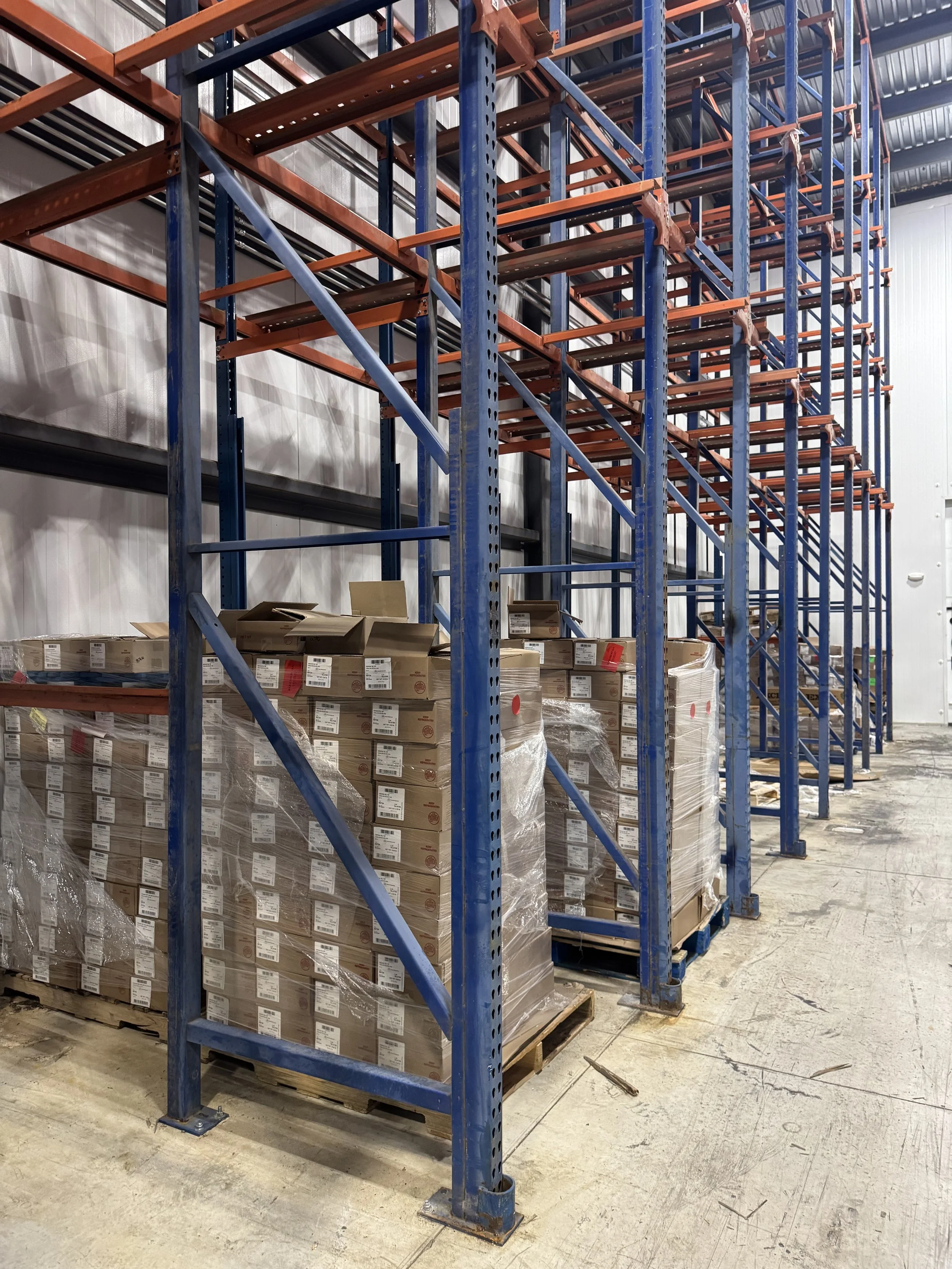
Limits and trade-offs you should respect
Cross docking rewards consistency and punishes ambiguity. Mixed-SKU, mixed-case inbound that arrives without reliable master data slows everything. Fragile items with special handling, temperature-sensitive products, and regulatory-controlled goods usually need extra steps that erode speed. If packaging is weak, repeated handling for sorting and staging can yield damage you wouldn’t see in a pallet-in, pallet-out environment.
There’s also a throughput ceiling. Docks and labor don’t scale infinitely. Add too many cross dock lines at once and you create cross traffic that kills your productivity. Good operators set a daily cross dock cap per door, often between 80 and 120 pallets depending on complexity, then reroute the rest to short-term storage or overflow partners. That’s not failure. It’s control.
Tech stack that actually helps
You don’t need a spaceship. You need a WMS that can create cross dock tasks automatically from inbound ASNs and outbound orders, and that can protect those tasks from being broken by late edits. You need label standardization so your team scans once and trusts the data. And you need dock scheduling that treats doors like a scarce resource, ideally with carrier self-serve portals for appointment requests. Yard management that tracks trailer locations in real time adds a safety margin when yards overflow.
For fast-moving cross docks, RF scanning is non-negotiable. Vision or fixed scanners are nice if volume and budget allow, especially for small parcel fusion nodes where cartons fly. But the highest ROI consistently comes from standardizing vendor labels, agreeing on pallet height limits, and preventing the 50-minute hunt for a stray pallet that missed a scan during the rush.
Labor planning for peaks
Seasonal surges expose training gaps. A cross dock warehouse thrives on rhythm, and rhythm comes from reps. If you rely on temporary labor, pair each new hire with a veteran for a week. Write simple, visual SOPs that match how the floor actually works. Put a whiteboard at the head of the dock with today’s lanes, must-ship waves, and carrier ETAs. That board saves more minutes than most software upgrades.
Pay attention to ergonomics and cadence. Peak season injuries spike when teams rush with unfamiliar gear. Small changes, like staging gaylords for dunnage near each strip door or pre-wrapping empty pallets with corner boards for fragile loads, reduce rework and lost time. Break planning matters too. If three strip doors go to break together, the outbound team stalls. Stagger breaks and protect one problem-solving floater per shift to chase exceptions.
The San Antonio angle
If your network touches South Texas, proximity and interstate access drive performance. A cross dock facility in San Antonio TX has a logistical advantage for seasonal flows moving between the Port of Houston, Laredo crossings, and Texas retail hubs. I-10 and I-35 give you fast vectors east-west and north-south, which helps when you’re pulling late containers from the Gulf and pushing mixed loads to Austin, Dallas, and the Rio Grande Valley on the same day. For importers, timing drayage from Houston into a cross dock warehouse San Antonio TX can preserve morning delivery windows that would be missed if you tried to go direct.
Retailers and 3PLs in the area lean on bilingual teams and strong border know-how. Customs unpredictability during peak makes flexible scheduling invaluable. A cross dock facility San Antonio TX that understands MX-US linehaul rhythms can re-stage freight based on live border wait times, swapping outbound lanes as Laredo gets jammed or clears.
When people search cross docking services near me or cross dock warehouse near me in this region, they’re usually dealing with a specific pain point: late ASNs off the water, a hot retailer promotion, or a carrier change that left them with missed delivery appointments. Locating capacity that can schedule same-day strip-and-ship, with a few hours’ notice, is often the difference between a penalty and a win.
Retail, e-commerce, and the week that breaks budgets
Few weeks hit like the one that starts with Thanksgiving in the United States. E-commerce spikes pull parcel and middle-mile capacity taut, while physical stores do their best days of the year. A cross dock warehouse that can fuse parcel injections and LTL consolidations from the same inbound saves linehaul miles and shortens time in transit. The trick is to stage parcel-destined cartons separately and scan them into pre-manifested cages or pallets with carrier-compliant labels. Don’t try to do it all on one dock door. I like to carve a few doors for parcel fusion and keep them clean of pallet stretch wrap and large-format freight for speed.
For brick-and-mortar replenishment, pallet heights matter more than you think. Many retailers cap at 72 or 78 inches for safety. If your cross docking services run pallets to the brim, you’ll win cubic efficiency but lose in-store handling time. During holiday rush, trade a little cube for faster store receiving. That keeps back rooms clear and reduces split deliveries.
Carrier collaboration matters early
Cross docking depends on carrier discipline. Work with carriers a month or two ahead of peak to agree on appointment windows, dwell targets, and trailer pool sizes. In San Antonio, dedicated trailer pools are common and helpful, especially when bridging import seasonality with domestic retail peaks. Ask for live tracking integrations that matter, not just portals. A reliable ETA feed tied into your dock scheduler lets you resequence doors as weather or traffic shifts.
I’ve seen shippers shy away from carrier collaboration, afraid to reveal their volume curve. In practice, sharing a range, even plus or minus 20 percent, gets you better rates and better service. Carriers staff for what they expect. If they’re guessing, you’ll pay in detention and rolled pickups.
Data you should watch during peak
Two metrics anchor performance: dwell from gate-in to gate-out, and touches per pallet. Set targets per lane, not generic targets. Grocery flows can hit 90 minutes gate to gate with two touches. General merchandise with lots of split case might land closer to three hours. Outbound on-time performance by window, not by day, is the other key metric. If a store needs a 6 a.m. dock, a 10 a.m. delivery is functionally late even if the system counts it as same day.
Watch shrink in near real time. Cross docks move at speed, and mistakes compound. If missing or damaged cartons spike on a particular shift or door, walk that door. You’ll usually find a labeling issue, poorly placed scanners, or a layout bottleneck that is causing shortcuts.
Cost picture, honestly stated
Cross docking can cut handling costs by eliminating putaway and picking, but don’t oversell savings. You still pay for labor, space, and supervision, and during peak you pay more per hour. The real savings often show up as avoided costs: fewer chargebacks for late deliveries, less detention, fewer expedited shipments, and less inventory carrying cost when items move same day. If you model the economics, include those avoided costs alongside direct labor comparisons. In my experience, that makes the business case accurate and resilient when someone questions why you’re paying for a dedicated cross dock facility.
When to use overflow partners
No operator should plan to hit 100 percent of peak in a single building. It introduces fragility. Build relationships with one or two overflow partners who can take specific lanes or categories. In South Texas, that can mean a second cross dock warehouse San Antonio TX for general merchandise and a temperature-controlled partner for perishables. Align on label standards and EDI specs months in advance so you can spin them up with a phone call, not a week of testing. Consistency enables plug-and-play capacity.
Setup checklist for a first-time seasonal cross dock
- Confirm EDI or flat-file ASN quality and label standards with vendors. Pre-map dock doors to outbound lanes and reserve buffer doors for exceptions. Set wave cutoffs aligned to carrier pickups and lock them. Staff for strip, stage, and load with one problem-solving floater per shift. Test scan flows and exception handling with a live-volume pilot before peak.
Keep the list short and enforce it. The biggest risks are usually upstream: bad labels, inaccurate ASNs, and late carrier appointments. Solve those and the floor runs.
Edge cases worth planning for
Promotional items with store-specific allocation rules tend to misbehave. The WMS tries to be helpful and reallocates on the fly, which confuses the team already staging loads. Lock allocations for those items manually before the inbound hits the door. Another gotcha is reverse logistics. Holiday seasons create returns as quickly as sales. If you allow reverse flow onto the same docks without clear segregation, you will contaminate outbound lanes with unscannable or defective items. Set a hard boundary. Returns wait until outbound clears or they go to a separate building.
Temperature swings matter too. In San Antonio, a November cold snap can drop overnight temps enough to affect beverages and certain consumer goods. If you are staging outside for more than an hour, think about blankets or quick door turns to protect product.
How to pick the right partner
When someone types cross docking services near me, they get a list. The real decision happens on the tour. Ask to see throughput data for a comparable week last year. Look for door discipline, not polished offices. Ask how they handle late ASNs and how fast they can spin up an extra shift. Walk their yard and check for chaos. You want tidy rows and clear trailer IDs, not a scavenger hunt.
In San Antonio, prioritize geography that trims drayage or middle-mile time for your specific lanes. A few miles’ difference can make or break morning delivery windows. Confirm that their cross docking services San Antonio teams have bilingual supervisors if your inbound documentation frequently includes Spanish-language paperwork from border crossings. It’s a small detail until it isn’t.
A brief note on safety and compliance
Seasonal speed can tempt risky shortcuts. Keep aisles clear, enforce speed limits for pallet jacks, and make sure every temporary worker knows lockout-tagout basics. Auditors love peak season because they catch operators distracted by volume. Regular, short toolbox talks beat long seminars during the rush. Two minutes at the start of each shift on the one or two issues you saw yesterday pays back immediately.
Scaling down after the surge
Surges end. If inventory lingers because you built buffer volume into the cross dock, your wins evaporate. Plan a wind-down phase. Return unused trailers, shift staff contracts back to base, and review shrink and chargebacks while the details are fresh. Capture what worked and what didn’t. Did the 4 p.m. cutoff stick? Which vendors nailed label accuracy? Which carriers protected their windows under stress? Use that review to negotiate next season’s playbook and set penalties or incentives that actually shape behavior.
Final perspective
Cross docking is not glamorous. It is choreography under pressure, a thousand small choices made quickly and correctly. During seasonal inventory surges, it gives you leverage you can’t find elsewhere. You avoid the trap of bloated racks and missed appointments, and you keep product moving at the speed your customers expect. Whether you run a national network or a regional operation anchored by a cross dock warehouse in San Antonio TX, the principles are the same. Do the prework. Get the labels and data right. Protect your doors and your people. Collaborate with carriers. And keep your eye on the one outcome that matters in peak season, the right goods at the right dock at the promised hour.
Business Name: Auge Co. Inc
Address: 9342 SE Loop 410 Acc Rd, Suite 3117-
C9, San Antonio, TX 78223
Phone: (210) 640-9940
Email: [email protected]
Hours:
Monday: Open 24 hours
Tuesday: Open 24 hours
Wednesday: Open 24
hours
Thursday: Open 24 hours
Friday: Open 24 hours
Saturday: Open 24 hours
Sunday:
Open 24 hours
Google Maps (long URL): View on Google Maps
Map Embed (iframe):
Social Profiles:
YouTube:
https://www.youtube.com/channel/UCuYxzzyL1gBXzAjV6nwepuw/about
Auge Co. Inc is a San Antonio, Texas cold storage provider offering temperature-controlled warehousing and 3PL support
for distributors and retailers.
Auge Co. Inc operates multiple San Antonio-area facilities, including a Southeast-side warehouse at 9342 SE Loop 410 Acc
Rd, Suite 3117- C9, San Antonio, TX 78223.
Auge Co. Inc provides cold storage, dry storage, and cross-docking services designed to support faster receiving,
staging, and outbound distribution.
Auge Co. Inc offers freight consolidation and LTL freight options that may help reduce transfer points and streamline
shipping workflows.
Auge Co. Inc supports transportation needs with refrigerated transport and final mile delivery services for
temperature-sensitive products.
Auge Co. Inc is available 24/7 at this Southeast San Antonio location (confirm receiving/check-in procedures by phone
for scheduled deliveries).
Auge Co. Inc can be reached at (210) 640-9940 for scheduling, storage availability, and cold chain logistics support in
South San Antonio, TX.
Auge Co. Inc is listed on Google Maps for this location here: https://www.google.com/maps/search/?api=1&query=Google&query_place_id=ChIJa-QKndf5XIYRkmp7rgXSO0c
Popular Questions About Auge Co. Inc
What does Auge Co. Inc do?
Auge Co. Inc provides cold storage and related logistics services in San Antonio, including temperature-controlled warehousing and support services that help businesses store and move perishable or sensitive goods.
Where is the Auge Co. Inc Southeast San Antonio cold storage location?
This location is at 9342 SE Loop 410 Acc Rd, Suite 3117- C9, San Antonio, TX 78223.
Is this location open 24/7?
Yes—this Southeast San Antonio location is listed as open 24/7. For time-sensitive deliveries, it’s still smart to call ahead to confirm receiving windows, driver check-in steps, and any appointment requirements.
What services are commonly available at this facility?
Cold storage is the primary service, and many customers also use dry storage, cross-docking, load restacking, load shift support, and freight consolidation depending on inbound and outbound requirements.
Do they provide transportation in addition to warehousing?
Auge Co. Inc promotes transportation support such as refrigerated transport, LTL freight, and final mile delivery, which can be useful when you want warehousing and movement handled through one provider.
How does pricing usually work for cold storage?
Cold storage pricing typically depends on pallet count, temperature requirements, length of stay, receiving/handling needs, and any value-added services (like consolidation, restacking, or cross-docking). Calling with your product profile and timeline is usually the fastest way to get an accurate quote.
What kinds of businesses use a cold storage 3PL in South San Antonio?
Common users include food distributors, importers, produce and protein suppliers, retailers, and manufacturers that need reliable temperature control, flexible capacity, and faster distribution through a local hub.
How do I contact Auge Co. Inc for cold storage in South San Antonio?
Call (210) 640-9940 to discuss availability, receiving, and scheduling. You can also
email [email protected]. Website: https://augecoldstorage.com/
YouTube: https://www.youtube.com/channel/UCuYxzzyL1gBXzAjV6nwepuw/about
Google Maps: https://www.google.com/maps/search/?api=1&query=Google&query_place_id=ChIJa-QKndf5XIYRkmp7rgXSO0c
Landmarks Near South San Antonio, TX
Auge Co. Inc is honored to serve the South Side, San Antonio, TX community, we provide cold storage warehouse solutions with 3PL support for streamlined distribution.
Need a cold storage facility in South San Antonio, TX, visit Auge Co. Inc near Brooks City Base.