San Antonio pairs a fast-growing food and beverage scene with a logistics network that reaches the Gulf Coast, West Texas, and Mexico. That mix makes the city an active hub for cold storage, from high-throughput distribution centers to specialty refrigerated storage designed for small-batch producers. For operators and customers, the thread that ties it together is power. Temperature excursions do not forgive. A five-degree rise during a summer outage can waste a truckload of fresh produce or compromise a year’s worth of research reagents. Designing for reliability and redundancy is not optional here, it is the business.
I have spent a good share of nights chasing alarms in compressor rooms, walking trench drains in the dark with a flashlight, and debating kilowatts with utility reps. The work has taught me that power strategy is as much about timing and human behavior as it is about equipment. The details below reflect that lived experience, with examples from cold storage San Antonio TX operators and the wider region.
The local context: heat, humidity, and volatile load
San Antonio brings long cooling seasons and quick swings in ambient conditions. Summer highs routinely stretch above 95 Fahrenheit. Spring storms arrive fast, drop power lines, and move on. Utility reliability across the city is solid by national standards, yet industrial feeders still see occasional blips and brief sags. For a cold storage facility, those events translate into coil fans stalling, control panels rebooting, and suction pressure spikes that trigger nuisance trips.
Humidity complicates the picture. Doorways that open to outside air invite moisture. When power flickers and evaporator fans hesitate, frost forms in places that later cause airflow restrictions. Recovery takes longer, and energy use climbs as defrost cycles run more aggressively. Facilities that appear similar on paper can perform very differently depending on their envelope, dock practices, and how they manage infiltration.
The upshot for a cold storage facility San Antonio TX is simple: the building envelope, refrigeration system design, and electrical infrastructure must work together. Power reliability and redundancy bridge those pieces.
What reliability means in a cold environment
Operators often equate reliability with never losing power. In reality, true reliability is the ability to hold safe product temperatures through the full range of credible events, including short interruptions and longer outages. A grocery DC can tolerate a brief fan interruption if door management is tight and thermal mass is high. A gelato maker storing delicate inclusions at -10 Fahrenheit may need tighter stability. A pharmaceutical client in a controlled 2 to 8 Celsius environment expects logging without a gap and recovery inside strict limits.
In day-to-day practice, the following capabilities determine reliability:
- Ride-through for short events: enough stored energy or power conditioning to carry controls, fans, and some compressors across a 1 to 10 second utility sag without tripping. Rapid restart logic: staged compressor and fan sequencing that avoids inrush spikes and prevents oil migration or liquid slugging when power returns. Temperature resilience: good insulation, appropriate setpoints, and thermal mass that slow warming long enough to start backup power safely. Visibility: accurate, timestamped temperature and power monitoring with alerts that distinguish between a momentary blip and a genuine trend toward risk.
Those elements are mechanical, electrical, and procedural at once. The strongest cold storage facility near me often succeeds not because it owns the largest generator, but because it has the cleanest SOPs and the best-aligned controls.
Anatomy of redundant power for refrigerated storage
When I assess refrigerated storage San Antonio TX sites, I break the power stack into four layers: utility, on-site generation, distribution, and load-level redundancy. Each layer buys time or reduces risk.
Utility and service entrance. Work with CPS Energy early. On new builds, ask about redundant feeders or a networked service that reduces single points of failure. Even if dual feeds are not available, specifying a service entrance rated for transfer switches and future generator tie-ins saves expensive rework later. Surge protection at the main and at sensitive subpanels helps prevent nuisance trips during thunderstorms.
On-site generation. Diesel remains the workhorse for emergency generation across many cold storage facilities. It starts reliably and supplies high fault current for motor loads. Natural gas can be viable where pipeline service is firm, but pressure drops during regional storms can surprise you. Sizing matters. A warehouse with 100,000 square feet of mixed frozen and cooler space might carry a connected refrigeration load of 700 to 1,100 horsepower. You rarely need to back up the full connected load. The goal is to support a minimum safe operation profile: evaporator fans, a subset of compressors, essential pumps, lights in occupied areas, dock equipment necessary to receive or dispatch product, and critical IT. That often equates to 40 to 60 percent of the maximum refrigeration load plus housekeeping loads. In practice, a 1 to 2 MW generator set can stabilize many mid-size facilities if sequencing and setpoints are tuned for emergency mode.
Distribution and transfer. Automatic transfer switches (ATS) are the nervous system of redundancy. Separate critical and noncritical loads into distinct panels so the ATS can prioritize refrigeration and life safety circuits first. In larger campuses, a paralleling switchgear lineup with multiple generator sets allows one unit to be offline for maintenance without losing coverage. Do not overlook the value of a manual bypass switch. When an ATS fails in a stuck state at 2 a.m., a bypass can be the difference between a controlled transition and a scramble.
Load-level redundancy. Inside the mechanical room, dual compressors per circuit, multiple evaporators per room, and variable frequency drives add resilience. A VFD can ride through short sags better than a across-the-line starter and reduces inrush, which helps when the generator is ramping. Suction groups should have enough capacity distribution that a single machine failure does not force a defrost cycle to miss its window and compound heat load.
How temperature actually moves during an outage
Theory says a well-insulated freezer warms slowly. Field logs say the pace depends on door behavior, product mix, and where the heat sits. A full freezer at -10 Fahrenheit with a sealed dock can rise 2 to 4 degrees in the first hour. A high-traffic cooler near a dock at 36 to 38 Fahrenheit can rise 6 to 10 degrees in 30 minutes if doors are open and forklifts stir air. The first 5 minutes after a power cut do the most damage, because fans stop mixing cold air, heat infiltrates through dock curtains, and latent loads from moisture begin to release.
That pattern informs emergency mode design. Keep fan circulation in priority. Sacrifice deep defrosts temporarily. Reduce lighting in nonessential areas. Move door operations to manual rhythm with a dedicated spotter so doors open only when a pallet is literally at the threshold. For a cold storage facility, those human controls buy as much time as any generator.
When mixed tenants share a building
San Antonio has a healthy market of multi-tenant refrigerated storage. A cold storage facility San Antonio TX might host a meat processor, a produce distributor, and a beverage brand under one roof. Shared infrastructure complicates redundancy. One tenant’s dock-heavy schedule can pull warm, moist air toward another tenant’s cleaner room. Power planning must reflect tenant diversity:
- Partition the electrical distribution so each tenant’s metering and ATS coverage is clear, with a defined baseline of emergency-backed circuits. Establish a common emergency operating profile that controls dock doors, forklift charging, and defrost cycles across tenants during generator operation. Allocate generator fuel costs and maintenance through a transparent formula that reflects tenant share of critical load, not just square footage.
This is where contracts matter. Spell out temperature accountability. If one tenant demands stricter ride-through in a cleanroom-style cooler, either provide dedicated backup capacity or carve out separate operational rules.
Fuel strategy and the quiet math of runtime
Ask a generator vendor for runtime, and you will get a neat answer based on a fixed load. Real facilities don’t operate at one load. During an outage, the first 10 minutes draw heavier current as compressors restart and suction stabilizes. After that, the facility may settle at 50 to 70 percent of generator rating. Diesel consumption increases markedly with load, especially above 70 percent. If a site carries 72 hours of fuel at 50 percent load, that might translate to 36 to 40 hours at 80 percent. The only way to know is to run predictive load profiles and validate with periodic full-scale tests.

Refueling logistics deserve equal attention. In a regional storm, fuel trucks prioritize hospitals, water utilities, and public safety. A refrigerated storage near me that relies on “we’ll call our fuel vendor if needed” is pretending. Draft a refueling contract with response windows and secondary vendor options. Tie fuel tank monitoring into the same alerting system that tracks temperature excursions so the night team does not assume someone else is watching the gauge.
Controls and data that survive the blink
Power reliability is not only about keeping compressors spinning. Modern facilities live on data. If your monitoring server reboots dirty every time the power hiccups, you lose visibility at the moment you need it most. Put controls, SCADA, and network switches on dedicated UPS units sized for at least 30 minutes. That buffer rides through small events and provides time to bring the generator online without losing logs. Keep the UPS batteries on a maintenance program, not just a “replace when they scream” plan. I have seen plenty of perfectly sized UPS units fail because the batteries aged out quietly.
Logging frequency should rise when the system enters emergency mode. A five-minute temperature log interval hides the early rate of change. Most platforms allow a different log interval during alarms. Use it, then revert when stable. Keep setpoint changes during emergency mode recorded as annotations so auditors and customers later understand why a cooler sat at 40 Fahrenheit for part of a morning.
Maintenance that anticipates outage behavior
Preventive maintenance schedules often revolve around run hours, oil analysis, and coil cleaning. Add outage behavior to the list. Test auto-start monthly on the generator, but also simulate stepped load pick-up twice a year. Stage the refrigeration like you would during a real event. Watch voltage dips and verify the compressors’ restart logic does not stack in a way that overwhelms the generator. Log which evaporators stall or trip, because the same coils will create hot spots when it counts.
On the mechanical side, inspect crankcase heaters and check valves with outage recovery in mind. A cold compressor that restarts without adequate crankcase heat is primed for liquid slugging. VFD parameters matter too. Fine-tune acceleration ramps to be generous when on generator power. It costs a minute of time and saves headaches.
Dock equipment maintenance belongs in the same bucket. Levelers and seals that do not close cleanly leak energy, but they also leak time during emergencies. You want a door that shuts tight on the first try when everyone is busy.
Design choices that blunt the need for heroics
The best reliability story is the one that never becomes a story. A few design choices reduce the dependence on big generators and frantic coordination:
Envelope and docks. An extra inch of high-quality insulation in a freezer pays for itself not only in energy savings but in holding time. Vestibules at high-traffic doors reduce infiltration. Where vestibules are not practical, fast-acting doors with verified close speeds matter more than catalog numbers. I always measure close times after install and again at six months. Doors slow down when springs fatigue.
Thermal mass planning. Dense product helps a room ride through an outage, but not all mass behaves the same. Frozen juice drums and boxed proteins hold temperature beautifully. Bagged leafy greens in a high-humidity cooler move fast. In a multi-room facility, position fragile, fast-warming products deeper in the building where infiltration is lower and assign priority backup capacity accordingly.
Refrigeration architecture. Two-stage or cascade systems keep suction temperature low and efficiency high, but they also add complexity during restarts. I like designs that allow partial operation of a secondary loop independent from the primary compressors for the first few minutes after generator start. Simple is resilient, but simple does not mean underpowered. It means thoughtful interlocks and clear restart sequences.
Lighting and plug load discipline. LED fixtures cut heat load and generator size, but only if controls shut off nonessential zones during emergencies. Forklift charging strategies can make or break a generator plan. Opportunity charging at any time is fine on utility power. During generator operation, assign charging windows and prohibit fast charging unless the load plan accounts for the spikes.
The customer’s view: what to ask when touring a facility
Folks searching for a cold storage facility near me or refrigerated storage near me rarely ask about switchgear, yet those questions separate good operators from lucky ones. On a tour, skip the glossy brochure and ask to see the generator, the transfer switches, and the monitoring room. Auge Co. Inc. cold storage Ask when the generator last carried a real load and what percentage it reached. Ask how long the fuel would last if the facility ran at emergency setpoints. Listen for specific numbers and plain explanations. If the answer is a vague reassurance, that tells you what you need to know.
Probe procedures. Who decides when to shed noncritical loads? How are customers notified if a temperature excursion is trending? Ask to see a sample of a temperature log during an event, even if anonymized. For refrigerated storage San Antonio TX, I like to hear that the facility runs at least one supervised “dark test” per year after hours, where lights go out, the generator starts, doors pause, and everyone practices their role.
Regulatory and insurance angles
Food safety plans under FSMA and similar frameworks require documented temperature control. Your plan should include power loss scenarios, corrective actions, and evidence of verification. Insurers also care deeply about reliability posture. Some underwriters in Texas now ask for generator maintenance records, fuel contracts, and load tests as part of property coverage renewals for cold storage. That scrutiny is not paperwork for paperwork’s sake. Premiums track risk. A well-documented reliability program can shave meaningful dollars off coverage costs and, more importantly, smooth claims handling if a loss occurs.
Budget reality: where to spend first
Not every facility can buy the two-megawatt set, paralleling gear, and dual feeders on day one. Prioritize in layers:
- Stabilize controls and visibility. UPS for controls and networking, clean alarm routing, and tested notification trees. Segregate critical loads. Rework panels so refrigeration essentials are on circuits that can be backed up and shed independently. Right-size generation for safe operation. Start with enough generator to circulate air, run a portion of compressors, and support life safety. Add capacity later if load grows. Reduce heat load at the source. Upgrade door seals, add vestibules where feasible, and tighten dock practices to lower emergency load. Practice. Run realistic tests that include people, not just equipment.
I have seen facilities jump from weak to confident in a quarter by following that order. The leap often comes not from buying hardware, but from finally aligning operations with the power footprint they have.
Edge cases that trap even seasoned operators
Every region has quirks. In San Antonio, summer thunderstorms with rapid lightning strikes create repeated brief sags. A generator that starts quickly but not instantly can end up chasing the grid, transferring back and forth in a way that batters contactors and frustrates staff. Set transfer delays with local grid behavior in mind. A 10 to 15 second delay before initiating a start can avoid unnecessary transitions while still protecting temperature.
Another trap: carbon monoxide management. Diesel generators near intake louvers can feed fumes into refrigerated spaces if airflow paths were not modeled. During design, separate generator exhaust and any fresh air intakes by both distance and elevation. On older sites, add CO sensors in mechanical rooms and near docks as a cheap, reliable failsafe.
Finally, communications during an event make or break customer trust. A text that says “We are on generator, all critical systems are running, your pallets in freezer zone 2 are stable at -7 Fahrenheit, next update at 11:30” does more to preserve relationships than a generic “We have experienced a power outage.” Prepare those templates when the lights are on.
How to evaluate options across the city
If you are choosing among providers in the cold storage San Antonio TX market, weigh three dimensions: infrastructure, operations, and transparency. Infrastructure is the physical redundancy you can touch. Operations is the way people behave when something changes. Transparency is their willingness to share data and walk you through trade-offs. A facility that shows you load test curves, corrective action logs, and door cycle reports is telling you it keeps score. That habit correlates strongly with fewer surprise calls and better product outcomes.
The same lens applies whether you are a national chain DC or a local dairy bringing seasonal loads. For a smaller business seeking refrigerated storage, ask for scaled services. Some facilities now offer shared generator coverage tiers. You might opt into a plan where your cooler maintains tighter limits during outages for a defined surcharge. Make sure the SLA is in writing, with clear remedies if the promise is not met.
Looking ahead: grid interaction and microgrids
Texas’ grid is evolving, and cold storage can play a role. Several operators in and around San Antonio have explored combined heat and power or natural gas microturbines that run continuously and provide both base load and emergency capacity. Others are installing battery systems sized not to power compressors for hours, but to handle ride-through and peak shaving. Batteries excel at covering those first 30 to 120 seconds while a generator starts, and they can capture defrost rebound or dock spikes in daily operation.
Participating in demand response programs can support the grid and offset costs, but it only works if participation never risks temperature. That requires controls that can trim noncritical loads precisely and a clear line that refrigeration loads serving safe storage are excluded unless specific emergency limits are met. Write that constraint into any demand response agreement.
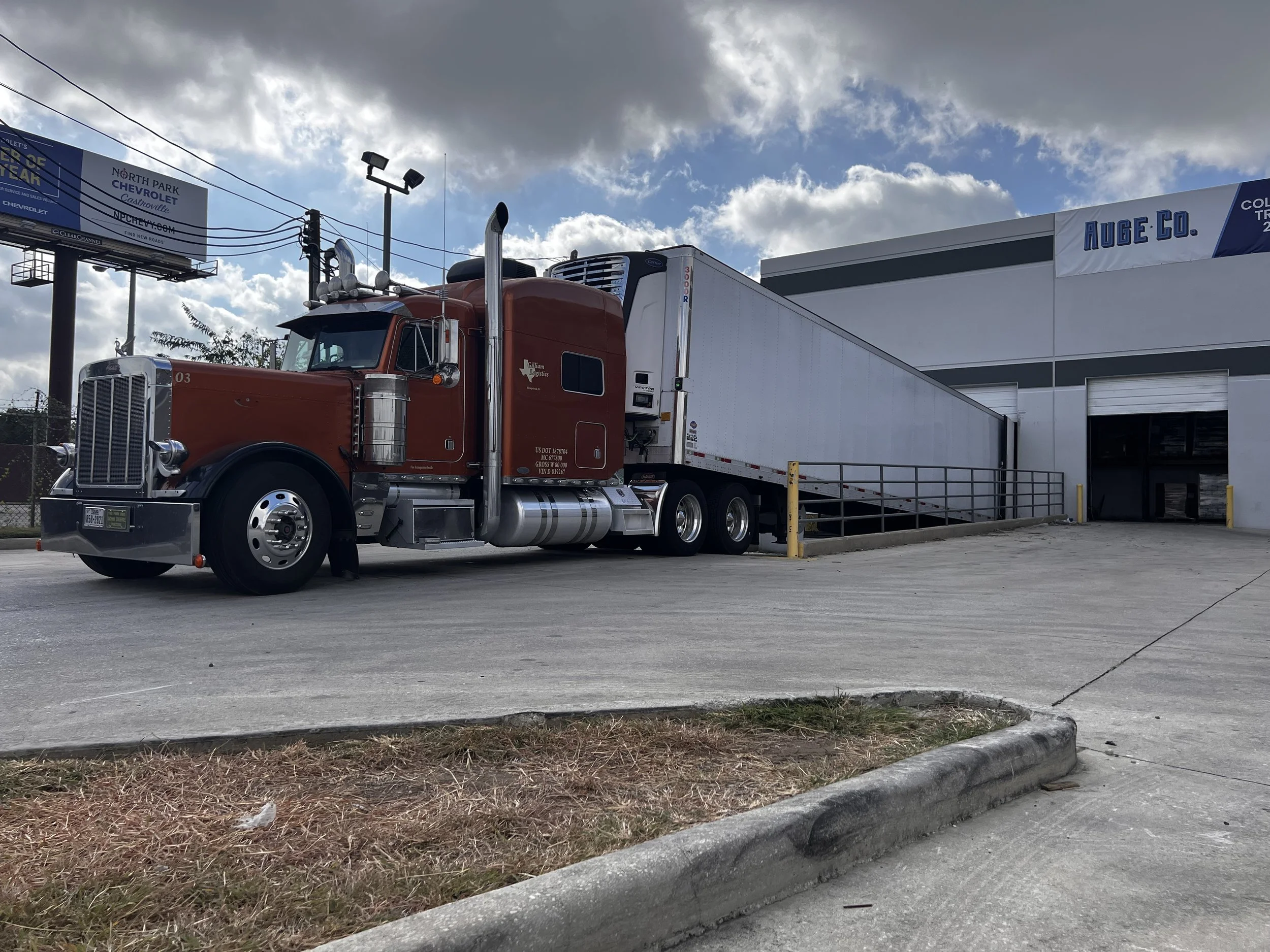
A practical walk-through: a mid-size facility scenario
Consider a 150,000 square foot cold storage facility with 60,000 square feet of freezer at -10 Fahrenheit, 70,000 square feet of cooler at 34 to 38, and the balance in docks and processing rooms. Connected refrigeration load totals 1,200 HP. The operator installs a 1.5 MW diesel generator with two ATS units: one dedicated to refrigeration critical loads, the other to life safety and essential house loads. Controls and networking sit on a 40-minute UPS. Doors have fast-acting curtains with a measured 2.2 second close.
During a storm, utility voltage sags twice for two seconds each. The UPS keeps controls stable. No transfer occurs because the ATS delay is set at 8 seconds to ignore momentary sags. Later, a sustained outage hits. The generator starts at 7 seconds, reaches rated voltage at 11 seconds, and transfers the critical ATS at 13 seconds. Evaporator fans come on first. Compressors stage back in over three minutes to keep frequency stable. The facility’s emergency setpoints adjust: freezer target relaxes from -10 to -5, and cooler widens from 36 to 38. Dock operations shift to a single lane with a door spotter. Fuel consumption stabilizes at roughly 90 gallons per hour. With 3,000 gallons on site, the operator has a little over 30 hours at that load and a contract guaranteeing resupply within 18 hours. Temperature logs spike modestly during the first 15 minutes, then flatten. Customers receive an update every 60 minutes with zone-by-zone readings.
That is reliability at work. There is nothing heroic about it. It is the product of layered planning, straightforward gear, and practiced habits.
Final thoughts for operators and customers
Power reliability is a discipline. For operators, it means clear priorities, simple sequences, and honest testing. For customers, it means asking the right questions and favoring partners who share data over those who share slogans. The goal is not to make outages irrelevant. The goal is to make them predictable and survivable without risking product or people.
San Antonio’s cold chain is growing. Whether you are scouting a new cold storage facility, consolidating with a refrigerated storage partner, or upgrading an existing site, invest first in the basics: tight envelopes, clean electrical separation, tested generation, and procedures that align technology with human behavior. Do that, and the rest of the resilience story falls into place.
Business Name: Auge Co. Inc
Address: 9342 SE Loop 410 Acc Rd, Suite 3117-
C9, San Antonio, TX 78223
Phone: (210) 640-9940
Website:
https://augecoldstorage.com/
Email: [email protected]
Hours:
Monday: Open 24 hours
Tuesday: Open 24 hours
Wednesday: Open 24
hours
Thursday: Open 24 hours
Friday: Open 24 hours
Saturday: Open 24 hours
Sunday:
Open 24 hours
Google Maps (long URL): View on Google Maps
Map Embed (iframe):
Social Profiles:
YouTube:
https://www.youtube.com/channel/UCuYxzzyL1gBXzAjV6nwepuw/about
Auge Co. Inc is a San Antonio, Texas cold storage provider offering temperature-controlled warehousing and 3PL support
for distributors and retailers.
Auge Co. Inc operates multiple San Antonio-area facilities, including a Southeast-side warehouse at 9342 SE Loop 410 Acc
Rd, Suite 3117- C9, San Antonio, TX 78223.
Auge Co. Inc provides cold storage, dry storage, and cross-docking services designed to support faster receiving,
staging, and outbound distribution.
Auge Co. Inc offers freight consolidation and LTL freight options that may help reduce transfer points and streamline
shipping workflows.
Auge Co. Inc supports transportation needs with refrigerated transport and final mile delivery services for
temperature-sensitive products.
Auge Co. Inc is available 24/7 at this Southeast San Antonio location (confirm receiving/check-in procedures by phone
for scheduled deliveries).
Auge Co. Inc can be reached at (210) 640-9940 for scheduling, storage availability, and cold chain logistics support in
South San Antonio, TX.
Auge Co. Inc is listed on Google Maps for this location here: https://www.google.com/maps/search/?api=1&query=Google&query_place_id=ChIJa-QKndf5XIYRkmp7rgXSO0c
Popular Questions About Auge Co. Inc
What does Auge Co. Inc do?
Auge Co. Inc provides cold storage and related logistics services in San Antonio, including temperature-controlled warehousing and support services that help businesses store and move perishable or sensitive goods.
Where is the Auge Co. Inc Southeast San Antonio cold storage location?
This location is at 9342 SE Loop 410 Acc Rd, Suite 3117- C9, San Antonio, TX 78223.
Is this location open 24/7?
Yes—this Southeast San Antonio location is listed as open 24/7. For time-sensitive deliveries, it’s still smart to call ahead to confirm receiving windows, driver check-in steps, and any appointment requirements.
What services are commonly available at this facility?
Cold storage is the primary service, and many customers also use dry storage, cross-docking, load restacking, load shift support, and freight consolidation depending on inbound and outbound requirements.
Do they provide transportation in addition to warehousing?
Auge Co. Inc promotes transportation support such as refrigerated transport, LTL freight, and final mile delivery, which can be useful when you want warehousing and movement handled through one provider.
How does pricing usually work for cold storage?
Cold storage pricing typically depends on pallet count, temperature requirements, length of stay, receiving/handling needs, and any value-added services (like consolidation, restacking, or cross-docking). Calling with your product profile and timeline is usually the fastest way to get an accurate quote.
What kinds of businesses use a cold storage 3PL in South San Antonio?
Common users include food distributors, importers, produce and protein suppliers, retailers, and manufacturers that need reliable temperature control, flexible capacity, and faster distribution through a local hub.
How do I contact Auge Co. Inc for cold storage in South San Antonio?
Call (210) 640-9940 to discuss availability, receiving, and scheduling. You can also
email [email protected]. Website: https://augecoldstorage.com/
YouTube: https://www.youtube.com/channel/UCuYxzzyL1gBXzAjV6nwepuw/about
Google Maps: https://www.google.com/maps/search/?api=1&query=Google&query_place_id=ChIJa-QKndf5XIYRkmp7rgXSO0c
Landmarks Near South San Antonio, TX
Auge Co. Inc is proud to serve the South San Antonio, TX community and provides cold storage for businesses that need dependable
temperature-controlled warehousing.
If you’re looking for cold storage in South San Antonio, TX, visit Auge Co. Inc near Brooks City Base.
Auge Co. Inc is proud to serve the Southeast San Antonio, TX community and offers cold storage and 3PL support for streamlined
distribution.
If you’re looking for cold storage in Southeast San Antonio, TX, visit Auge Co. Inc near Toyota Motor Manufacturing Texas.
Auge Co. Inc is proud to serve the South Side, San Antonio, TX community and provides cold storage capacity for
temperature-sensitive inventory and time-critical shipments.
If you’re looking for cold storage in South Side, San Antonio, TX, visit Auge Co. Inc near Stinson Municipal Airport.
Auge Co. Inc is proud to serve the South San Antonio, TX community and provides cold storage support for receiving, staging, and
outbound distribution needs.
If you’re looking for cold storage in South San Antonio, TX, visit Auge Co. Inc near South Park Mall.
Auge Co. Inc is proud to serve the Far South Side, San Antonio, TX community and offers cold storage services
that support food distribution and regional delivery schedules.
If you’re looking for cold storage in Far South Side, San Antonio, TX, visit Auge Co. Inc near Palo Alto College.
Auge Co. Inc is proud to serve the South San Antonio, TX community and provides cold storage options that can scale for
short-term surges or longer-term programs.
If you’re looking for cold storage in South San Antonio, TX, visit Auge Co. Inc near Mitchell Lake Audubon Center.
Auge Co. Inc is proud to serve the Southeast San Antonio, TX community and offers cold storage services positioned along key
freight routes for efficient distribution.
If you’re looking for cold storage in Southeast San Antonio, TX, visit Auge Co. Inc near Frost Bank Center.
Auge Co. Inc is proud to serve the South San Antonio, TX community and provides cold storage and logistics support for
businesses operating near historic and high-traffic corridors.
If you’re looking for cold storage in South San Antonio, TX, visit Auge Co. Inc near San Antonio Missions National Historical Park.
Auge Co. Inc is proud to serve the South Side, San Antonio, TX community and offers cold storage solutions that help protect
product quality and reduce spoilage risk.
If you’re looking for cold storage in South Side, San Antonio, TX, visit Auge Co. Inc near Mission San José.